




12 / 16
- Client
- Ouvi
- Sector
- Medical interpreting app
- Year
- 2021
- Duration
- 18 weeks · 4 people
- Disciplines
- Product UI, Identity
An interpreter on the ward in under a minute, in 64 languages.
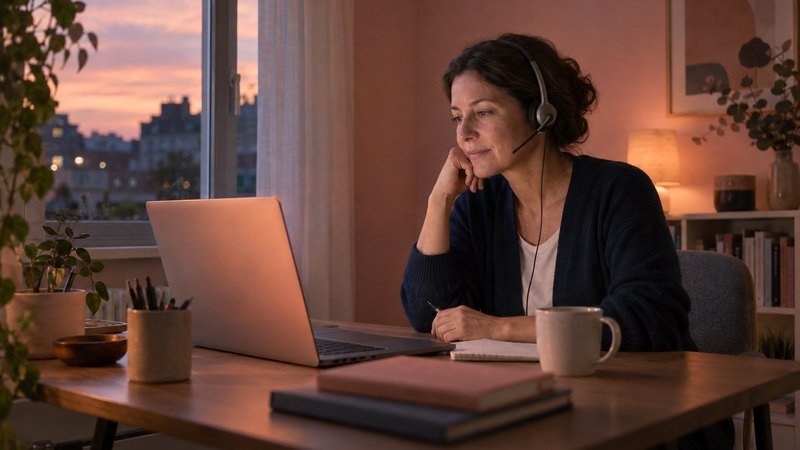
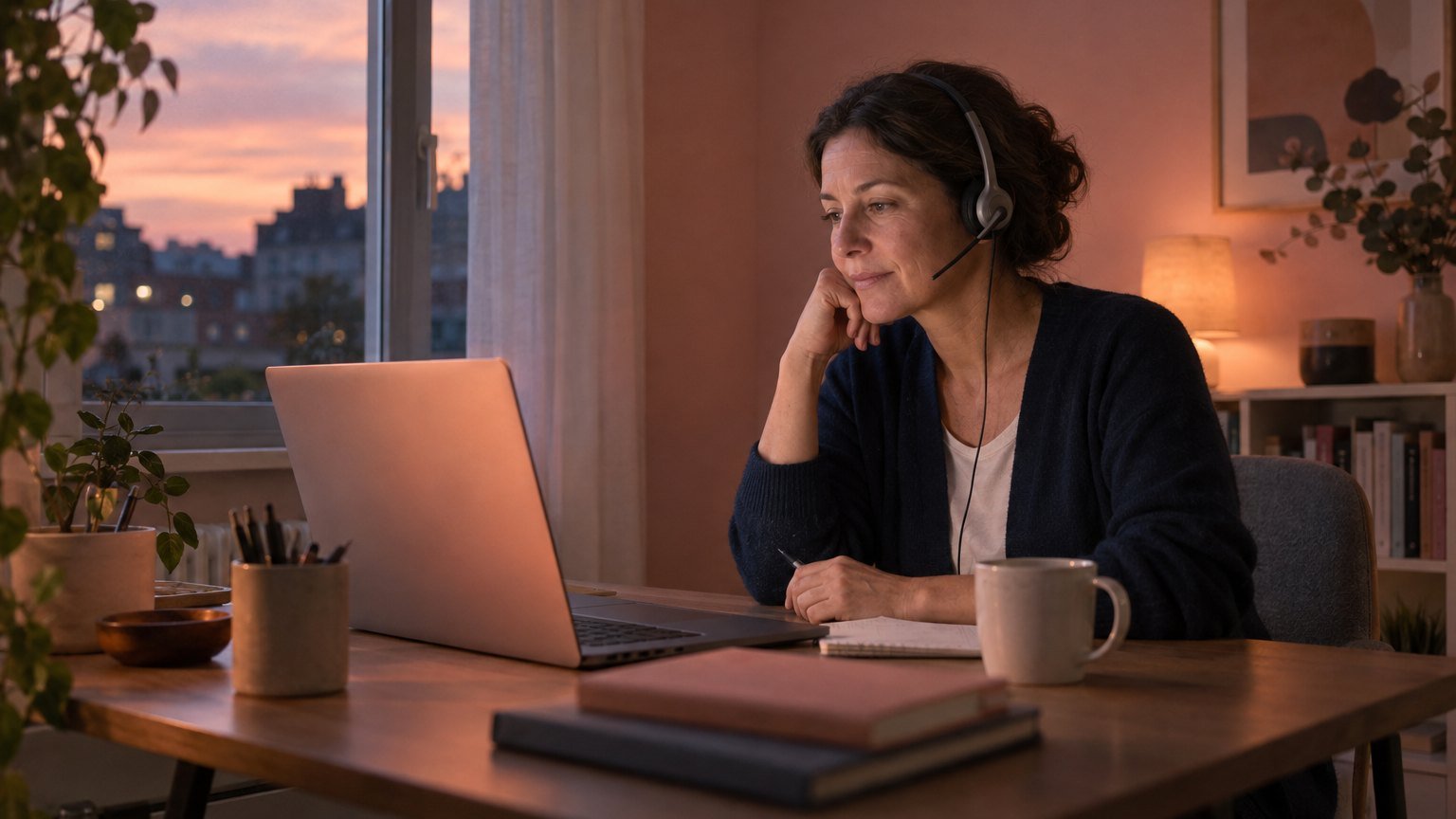
In a consultation the interpreter is the only person who hears everything. The app had to get out of the way and let them work.
The brief
Ouvi was founded in 2019 by Joana Seixas, a Portuguese and English interpreter who had spent eight years on hospital wards in Leeds. By 2021 it ran a video interpreting service in three hospitals, with 380 interpreters on its books covering 64 languages.
The product had been built quickly and it showed. Clinicians picked from a list of 64 language names in English, often with a frightened patient beside them, and one call in five connected in the wrong language. Most urgent conversations still went through relatives, sometimes children, because it felt faster.
The idea
Ouvi is Portuguese for “I heard”. We built the product around that moment: the clinician taps once, the patient points at their own language written in its own script, and an interpreter appears. Choosing the language became something the patient does, not the nurse.
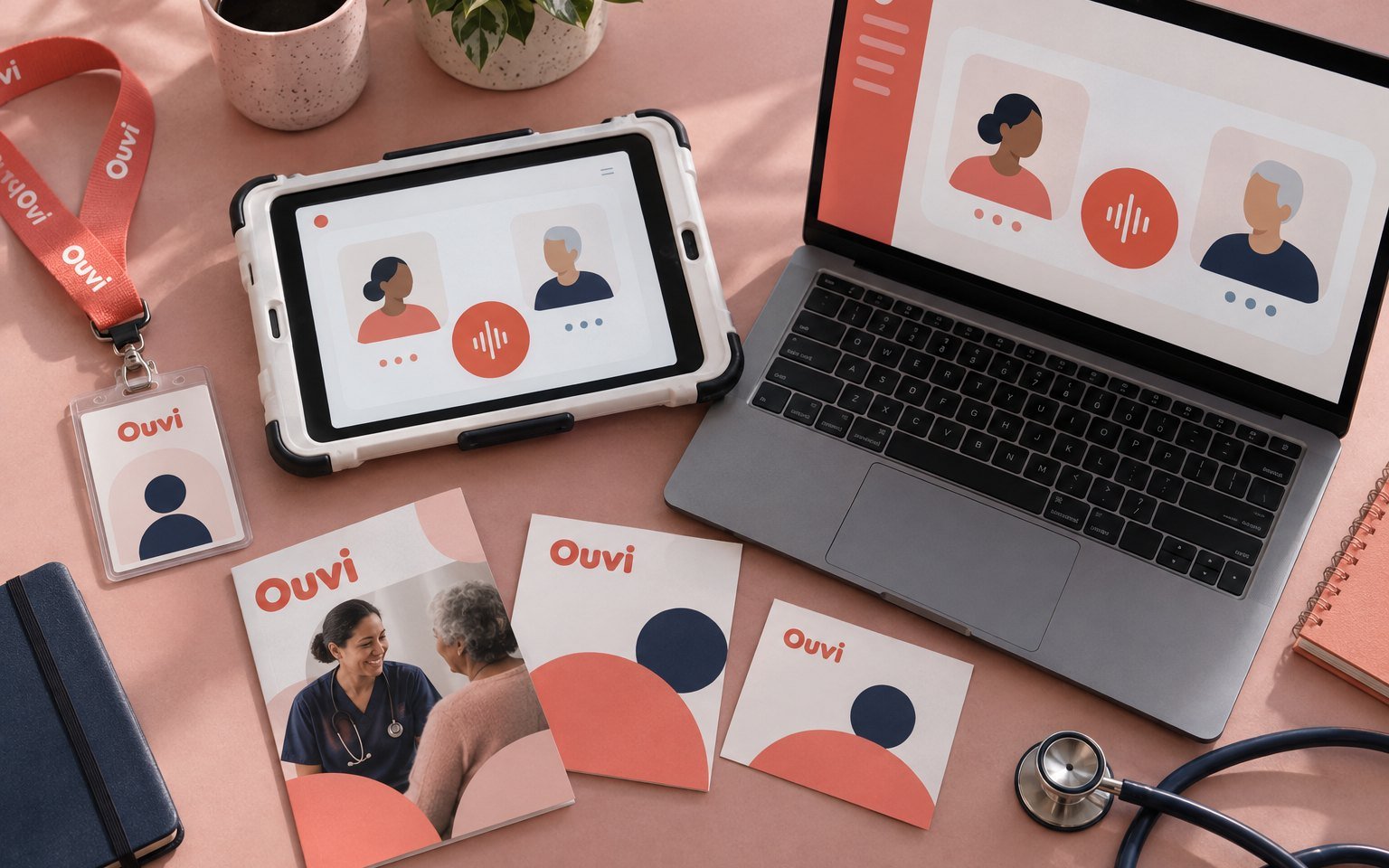
The identity is deliberately quiet. One warm coral, a heavy rounded sans that stays legible on a scratched ward tablet at arm’s length, and a wordmark whose dot over the i becomes the live indicator when a call connects.
What we made
- Identity and wordmark
- Clinician app for ward tablets and desktops
- Interpreter app: availability, calls and notes
- Language picker in 64 scripts
- Accessibility review to WCAG 2.1 AA
- Ward posters and onboarding cards
How the mark moves
The wordmark lands softly and the dot over the i lights last. In the app the same dot is the live indicator: when it glows, someone is listening.
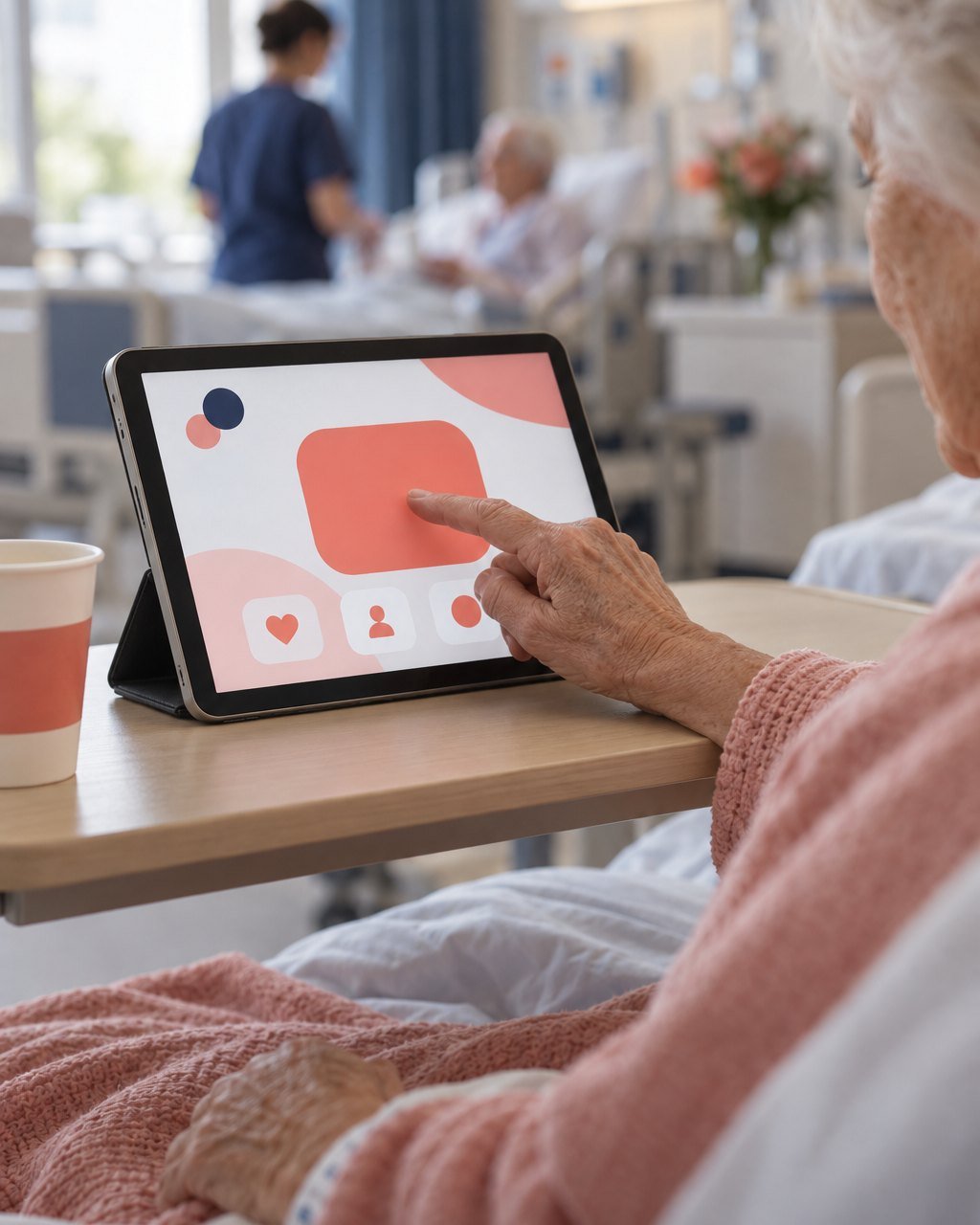
One tap, then the patient chooses
The picker shows every language in its own script, ordered by how often it is asked for on that ward. In testing, patients found their own language in a median of four seconds.
What changed
median wait for a video interpreter
Across all calls in the first six months. A face-to-face booking had taken two working days.
of calls in the wrong language, down from 21%
Patients now choose their own language, written in their own script.
hospital and GP sites within eighteen months
Up from the three hospitals in the original pilot.
Who made it
Orvel
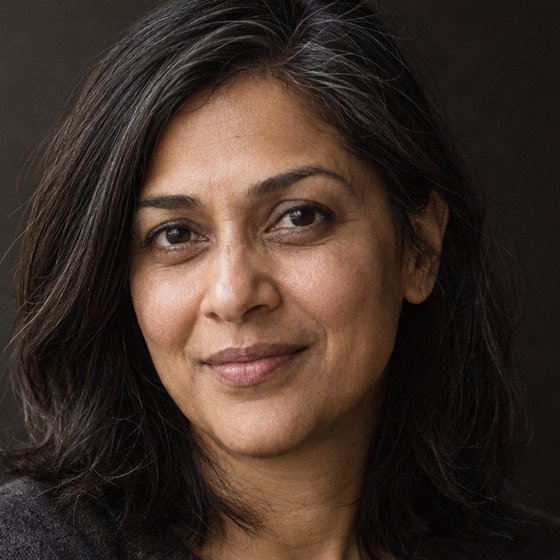 Anjali RaoCreative directionLondon
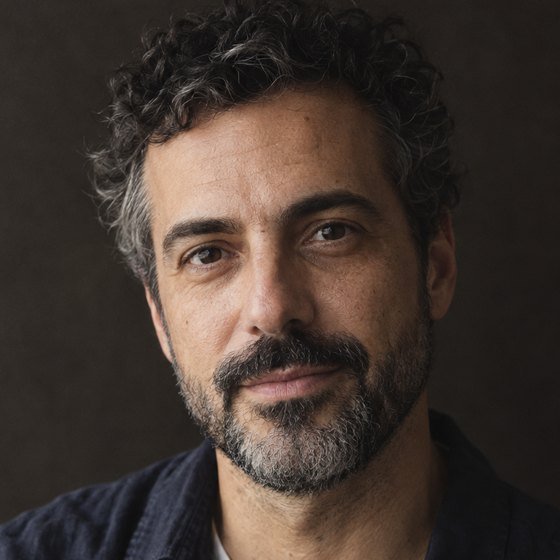 Tomás FerreiraProduct designLisbon
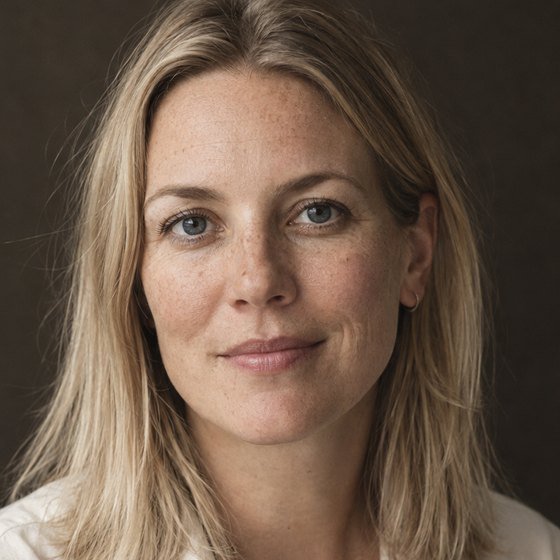 Freya LundResearchLondon
With
- Client team
- Joana Seixas, Owen Hartley, Priya Natarajan
- Engineering
- Ouvi product team
- Research participants
- 26 clinicians and 14 interpreters in Leeds and Bristol
- Accessibility review
- Mira Kostova
- Photography
- Hana Weir