
Photography is half the brand
Why we brief photographers before we brief typographers, and the shot list we wrote for Halfpace’s first season.
 Freya LundStrategy Director, London
- Kind
- Craft
- Published
- Reading
- 3 min
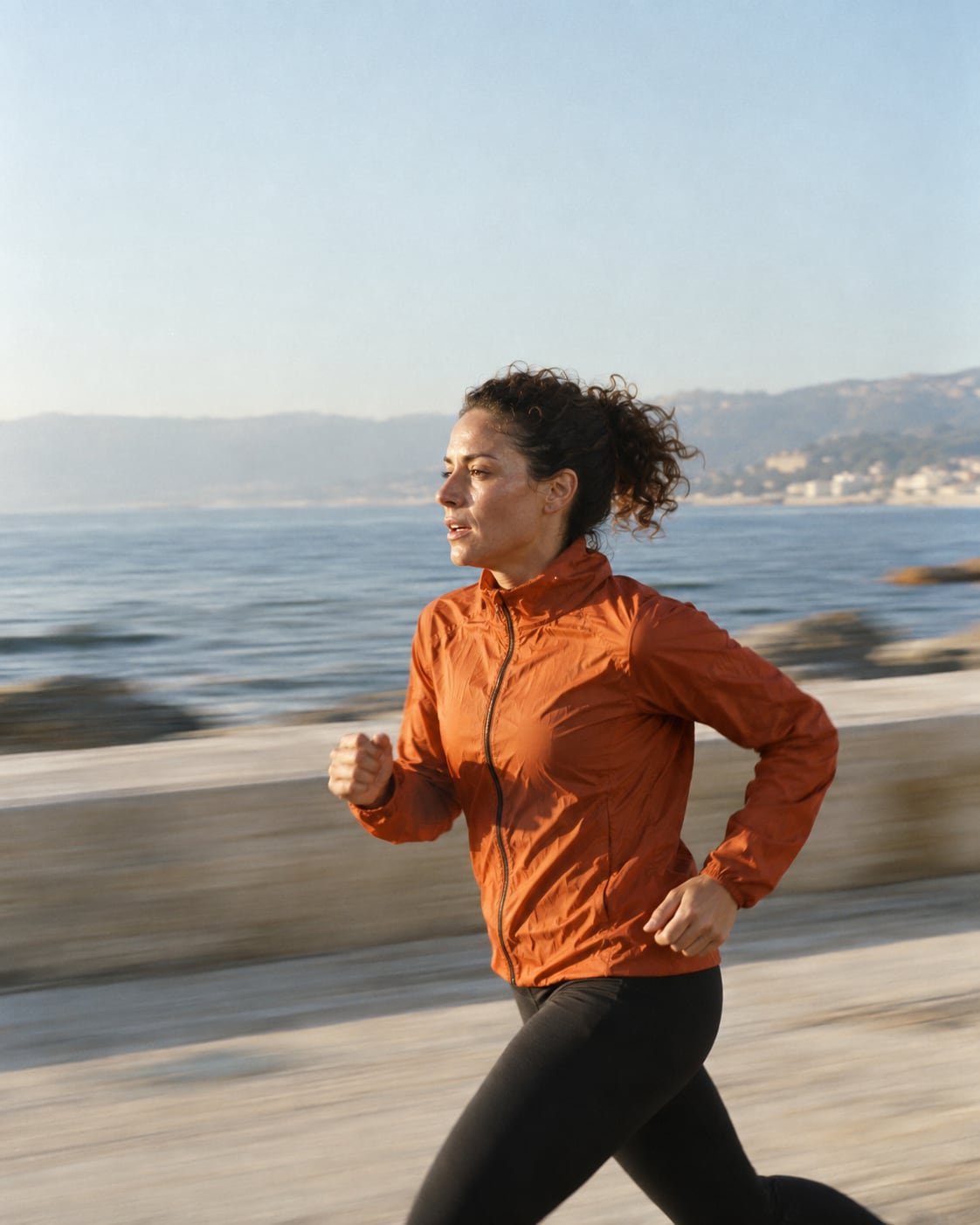
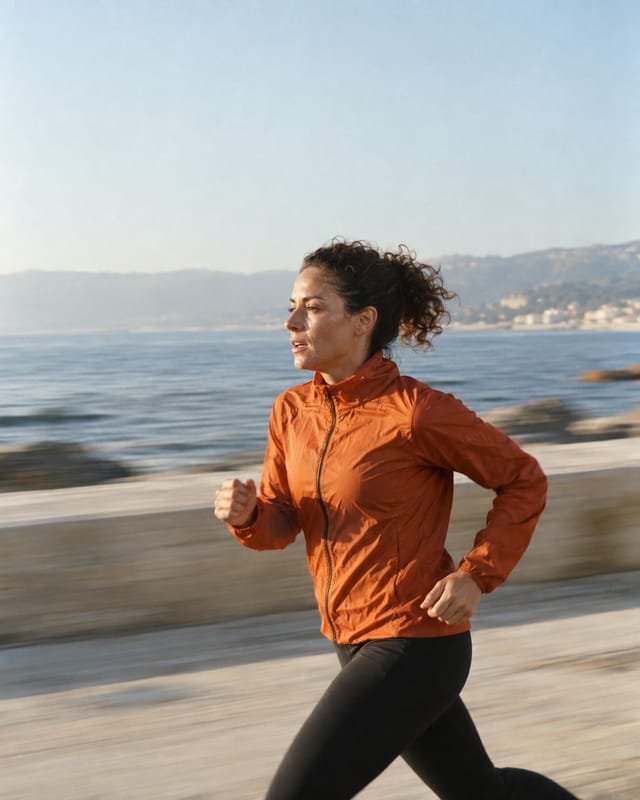
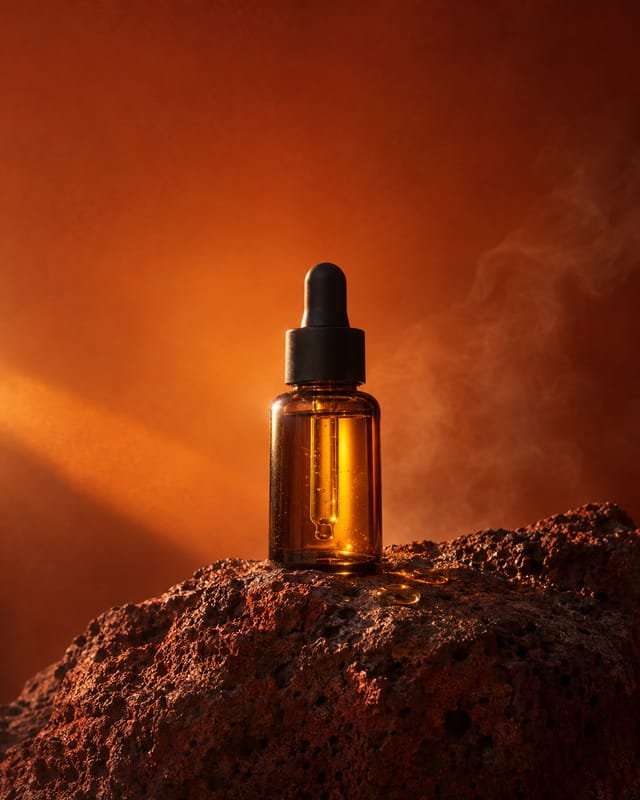
Ask someone to describe a brand they like and they will rarely mention its typeface. They describe a picture: a runner on a cold seafront, a whitewashed room with the shutters half open, a bottle in orange light. Photography is the part of an identity most people actually remember, and in most projects it is commissioned last, after the logo has been signed off, by whoever has budget left. We now do it the other way round. On every identity where photography will carry the brand, the photographer is briefed in the same week as the design team, and the first shoot happens before the type is fixed.
Why first, not last
Photography decides more than people expect. It sets the colour temperature the palette has to sit beside, the amount of space layouts need to leave, and how much the type can say before it competes with the picture. If the pictures arrive last, the identity has already made those decisions without them, and the photographer is asked to illustrate a system rather than help shape it. It also costs less to get wrong early. A test shoot in week four costs a day and a few runners’ mornings. Discovering in week twelve that the photography and the identity disagree costs a reshoot, or more often a compromise everyone lives with for years.
The Halfpace shot list
Halfpace makes kit for the easy miles, and its founders, Cian Moran and Ruth Okafor, wanted the brand to look as fast as it feels. We wrote the shot list before any layout work, with Ellis Varga, who shot the campaign. It fitted on one side of A4.
- Shoot at real pace: easy runs at five and a half to six minutes a kilometre, never a sprint posed for the camera.
- Real runners from the club, in their own shoes, wearing the kit the way they would actually wear it.
- First light only, between half past six and eight, on the seafront at Clevedon.
- No rigs, no studio wind, no retouching of sweat or mud.
- One frame in every set where the runner is small and the weather is big.
- Every shot must work cropped to a phone story and to a 48-sheet poster.
Ellis ran backwards ahead of the club for three mornings. We came back with around 2,400 frames and about forty we would use.
People remember a brand by its pictures long before they could describe its typeface.
What the pictures changed
The lean in the Halfpace type came from the photographs. When we laid the type beside the first selects, the upright version looked as if it was standing still next to people who were plainly moving. Tomás measured the angle of a runner’s torso across a dozen frames and set the type to lean with it. That idea would not exist if the pictures had arrived last. The palette moved too. The orange we had pinned up looked loud in the studio and exactly right on a grey February seafront. The off-white we had chosen turned out to be too cold beside skin in early light, and we warmed it by a few degrees.
What it asks of clients
Photography first means paying for a shoot before the identity is finished, which can feel like spending money out of order. We budget it inside the identity plan, with the photographer’s fee passed on at cost, and we keep the first shoot small: one location, one morning, one photographer. If the pictures are right, they set the rest of the project on a clear course. If they are wrong, we have learned it cheaply, and early.