



The week‑one workshop, step by step
One day, eight to twelve people, no slides. The agenda we run in the first week of every project, and what we take away from it.
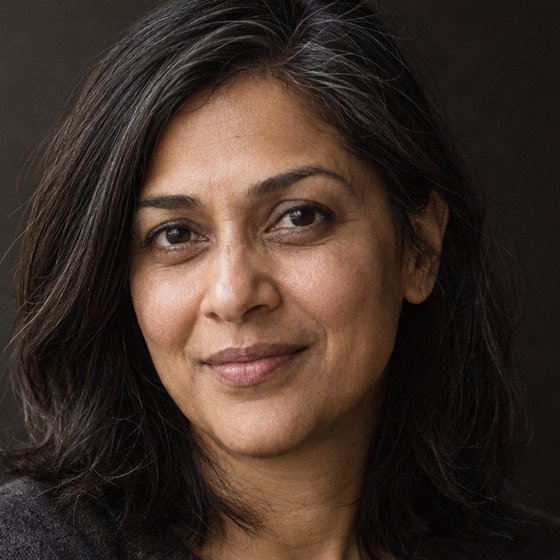 Anjali RaoFounder, Creative Director, London
- Kind
- Process
- Published
- Reading
- 3 min

Every project we run starts with the same day. It happens in the first week, before the audit is finished and long before any design, and it is the most useful seven hours in the schedule. We call it the week-one workshop, which is not inspired, but it tells people when to put it in the diary. Between eight and twelve people take part. From the client: whoever has the final say, which we insist on, plus the people closest to customers, usually someone from sales, someone from support and whoever runs the product. From us: the partner who will lead the project, a strategist and the designer who will draw it. More than twelve and the quiet people stop talking; fewer than six and one view dominates.
The day, hour by hour
- 09:30 Introductions, with one question each: what would make this project a waste of money?
- 10:00 The customer hour. Everyone writes three things customers say about the company, then three things they wish customers said. We sort the cards on the wall.
- 11:15 Neighbours. Twenty companies the client is compared with and twenty they admire outside their sector, pinned up. Everyone marks the ones they would hate to be mistaken for.
- 12:30 Lunch, at the long table, together. It is on the agenda for a reason.
- 13:30 The sliders. Ten scales, such as quiet to loud or expert to everyday, and each person marks privately where the brand is now and where it should be.
- 15:00 One sentence. In pairs, everyone drafts what they would want a stranger to say about the company in three years. We read them aloud and finish by 16:30.
The sliders are the part clients remember. They are crude on purpose, and the average barely matters. What matters is the spread. When a founder marks the brand as loud and the head of sales marks it as quiet, there is a conversation the company has been avoiding, sometimes for years, and it is far cheaper to have it in week one with sticky notes than in week nine over three finished designs.
The workshop is not where the brand gets decided. It is where everyone finds out what they actually disagree about.
What we leave with
We photograph every wall before it comes down, and within two working days the client has a short write-up: the cards grouped and counted, the slider results with every individual mark shown rather than just the average, the neighbours map and all of the draft sentences. We do not tidy the disagreements away. We list them, numbered, and each one becomes a question the audit or the interviews must answer. The sentences are the most valuable thing in the pack. None of them is ever the final positioning, but between them they nearly always contain its words. On one project this autumn, eleven sentences used the same verb seven times. That verb is now on the first page of the brief.
What we no longer do
We used to open the day with a presentation about our process, and we used to run exercises asking people to imagine the brand as a car or a famous person. We dropped both. The first spent an hour on things the client had already read, and the second produced charming answers we could never use. Everything left on the agenda earns its place by producing something we come back to later in the project, usually more than once.