



Hiring designers who write
We ask every designer who applies for a few lines about two projects and no cover letter. Those lines decide more than the portfolio does.
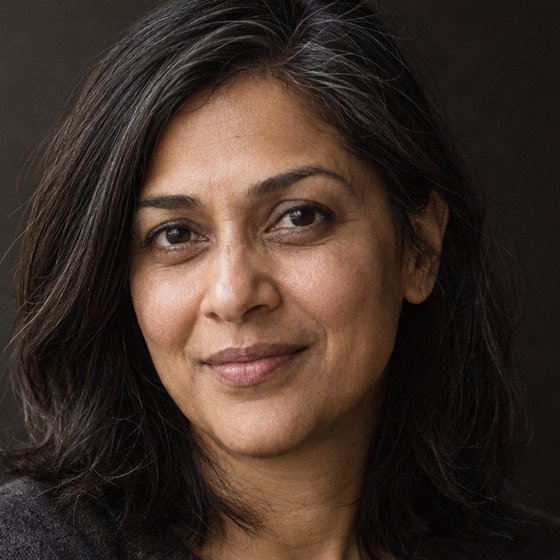 Anjali RaoFounder, Creative Director, London
- Kind
- Studio
- Published
- Reading
- 3 min

When we advertise a design role we ask for two things: a link to your work, and a few lines about two projects you would want to talk us through. No cover letter, and no CV unless you want to send one. For our last senior designer role we had 214 applications, and the few lines told us more than the portfolios did. That is not because portfolios do not matter. It is because most portfolios now look finished and confident, and very few explain why anything is the way it is. A designer who can write that down plainly is a designer we can put in front of a client in their first month.
Why writing, in a design studio
So much of our work is written before it is drawn. Every project has a decision log, one line per decision, that both sides read. Every Thursday review ends with a short note to the client saying what was shown, what was agreed and what is still open. Changes to scope go into a one-page change note. Guidelines are mostly sentences. A designer who cannot write ends up relying on someone else to explain their work, and the explanation is never quite theirs.
Writing is also how a studio in two cities stays one team. Lisbon and London share a clock but not a room, and a clear paragraph in the log saves a call that would have interrupted four people.
What we look for in the few lines
- A decision, not a description. “We dropped the second typeface in week six because the signage could not carry two” beats a paragraph about brand values.
- Something that went wrong. The strongest applicants nearly always mention a route that failed and what it taught them.
- Plain words. We are not hiring copywriters, and nobody is marked down for grammar. We do notice jargon used to avoid saying something.
- Other people. Who they worked with, and what the client or the engineer changed.
A designer who can explain a decision in two sentences can usually defend it in a room.
The paid half-day
The last stage of hiring is a paid half-day task, £300 in London or €350 in Lisbon. It used to be a pure design exercise. Now it comes with a written handover: a short brief, three hours of work, and half a page explaining the choices to a client who was not in the room. We read the half page first.
It has changed who we hire, slightly. Some very strong image-makers struggle with it, and we have still hired a few of them, paired with someone who writes well. But on balance the designers who write clearly have become our best project leads, and two of the people now running projects in Lisbon came through a shortlist the half-day produced.
How we help once people are here
We do not expect anyone to arrive writing like a strategist. Every new designer spends their first month writing the Thursday review notes for one project, with Freya or me reading them before they go out. By the third month most people stop needing us. By the sixth, they are usually the ones pointing out the vague sentence in a brief, which is exactly what we hoped for. Designers here stay six years on average. I suspect the writing is part of the reason. People who can explain their work get given more of it, and more interesting work is the best reason anyone stays.