
A hotel website with nothing to sell
No offers, no countdowns and nine pages. In its first full season, Polcarrow sold 64 per cent of its rooms direct.
 Anjali RaoFounder, Creative Director, London
- Kind
- Case note
- Published
- Reading
- 3 min
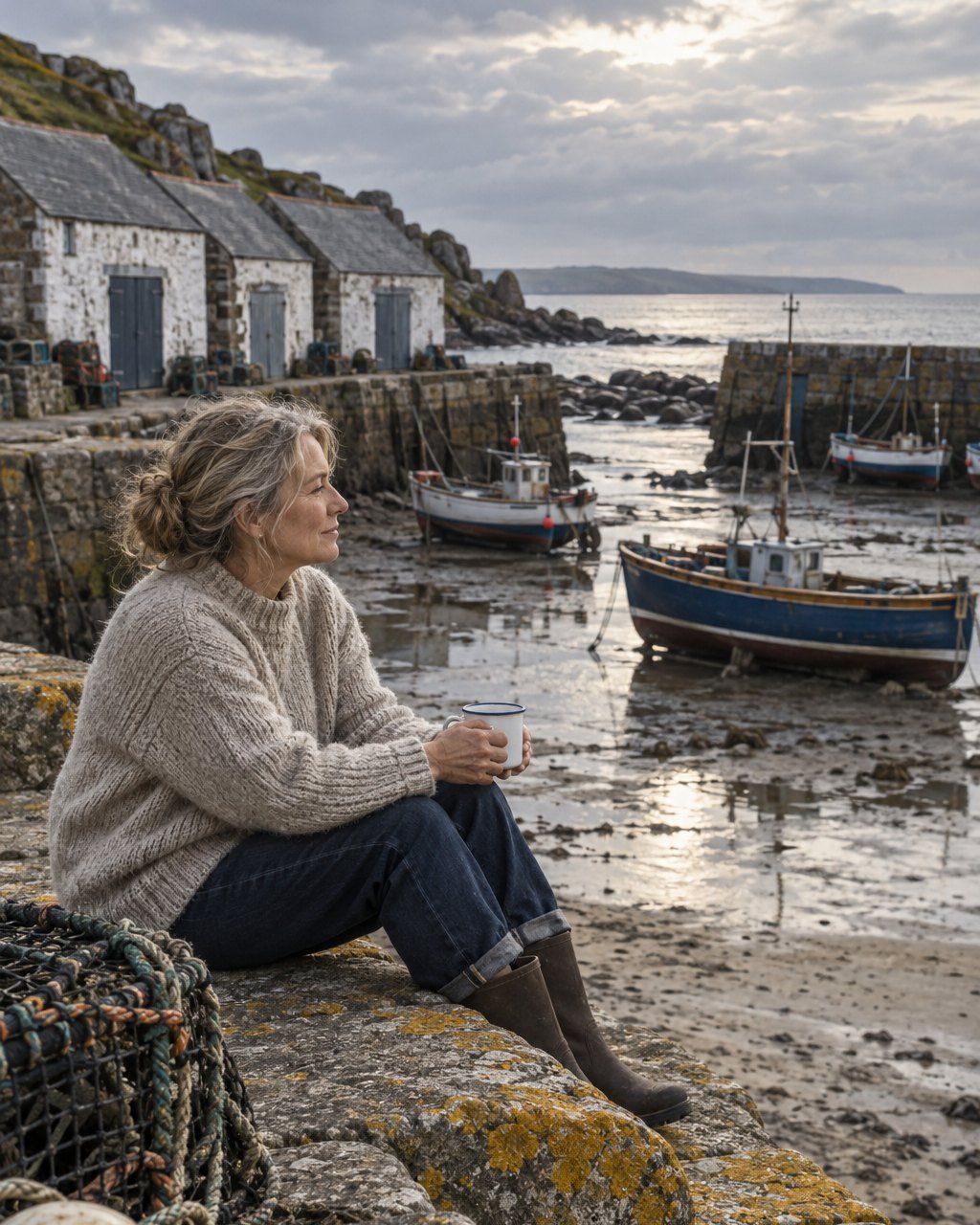
When Tamsin and Will Hocking first showed us the Polcarrow website, they apologised for it. It had come with the hotel when they bought it in 2017, along with the furniture and a booking engine that opened in a new tab. A banner offered ten per cent off if you booked in the next four hours. Another said only two rooms were left, which was true on most nights, because there are only fourteen.
They knew it did not sound like them. What they had not measured was what it cost. Fewer than a third of rooms were booked direct; the rest came through two agencies taking up to 18 per cent. And the front desk spent the first two hours of every morning on the phone.
Listen to the phone first
We spent our first week at the hotel, much of it behind reception. Freya kept a tally of every call and email over five days. Almost all of them asked one of five things: when the tide was, where to park, whether dogs were allowed, how late you could arrive and what time breakfast started. Not one asked about offers. That tally became the brief. If the website answered those five questions on the page where you book, the phone would go quiet and guests would arrive knowing what kind of place it was. Everything else was decoration.
What we took out
- The countdown and the “only two rooms left” banner.
- The pop-up offer, and the newsletter pop-up behind it.
- Packages. The honeymoon one had sold twice in four years.
- The separate booking engine. Booking now happens inside the site in three steps, with the full price, breakfast included, from the first screen.
- Eleven of the twenty pages. The site is nine pages long, and nobody has asked for the missing ones.
In their place, the top of every page tells you what the harbour is doing: the next high and low water and the time of sunset. It is the most useful thing on the site and it took a day to build. It also says, without an adjective, that this is a hotel where the tide decides when you swim.
Nobody books a harbour hotel because a timer told them to.
Quiet is not the same as vague
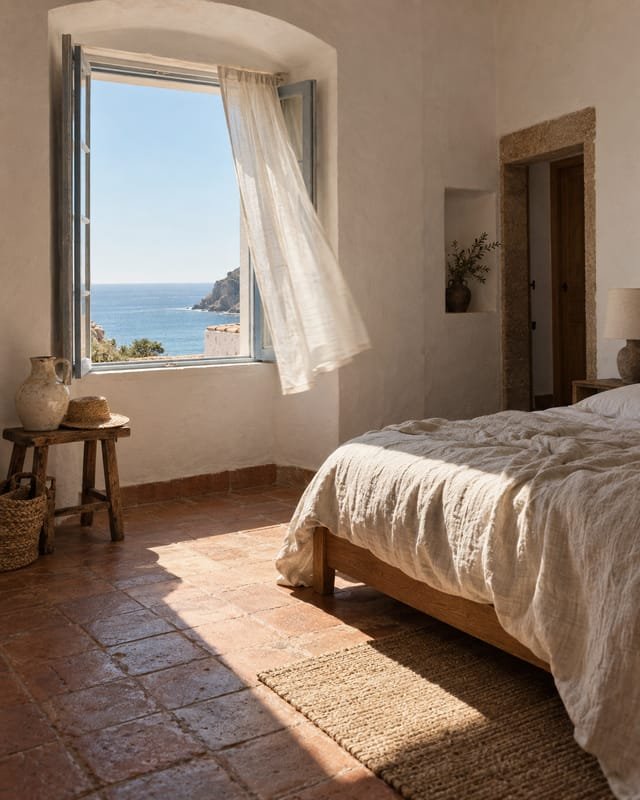
The risk with a calm website is that it turns into a mood board: lovely photographs, a few lines about the sea and no idea what a room costs. We went the other way. Every room page has the price, the size in square metres, which way the window faces, how many stairs there are and whether you will hear the boats go out at five. Tamsin wrote most of the copy herself after one workshop with us. The photography follows the same rule. Kit Rowe shot each room at the hour guests actually use it, with the bed as the housekeepers leave it rather than as a stylist would. The harbour pictures were taken over a week of ordinary weather, two days of rain included.
What happened
The site went live in July 2020, the week the hotel reopened, which is not a launch date anyone would choose. That first short season tells us little. This one tells us more. In 2021 direct bookings were 2.3 times what they had been in 2019, and 64 per cent of rooms were booked direct, up from 31. Every hotel in Cornwall had a busy summer, so the share is the number we trust, not the total. Calls before arrival fell by 41 per cent, and the agencies now sell the winter only. We now begin every hospitality project with the tally. It is the cheapest research we do, a notebook and five days beside a phone, and it nearly always says the same thing. Guests do not want to be sold to. They want to know when breakfast is.